Skip to content
The old approach to association events is fading fast. Selecting a nice venue, building a generic agenda, and adding a few mixers is no longer enough. Members have limited time and unlimited access to information. Many can get basic answers instantly through AI and online resources. So when they travel to an event, they expect something AI cannot deliver: curated relevance, deep peer value, human connection, and highly actionable insight.
Events are still one of the strongest levers for association revenue and engagement. But only if they are designed as an experience system, not a schedule.
Members want curriculum, not content
The biggest shift is that members want a curriculum. They want the event designed around a coherent learning journey and a real outcome. A list of sessions is not a curriculum. A curriculum has a structured progression, clear takeaways, and practical application.
A practical action you can take is to define three outcomes the attendee should leave with. Not broad themes, but tangible outcomes. For example, a new strategy they can apply, a set of tools they can use, and a set of peer connections that solve real problems. Then build the agenda backward from those outcomes.
Selecting speakers is now a strategic decision
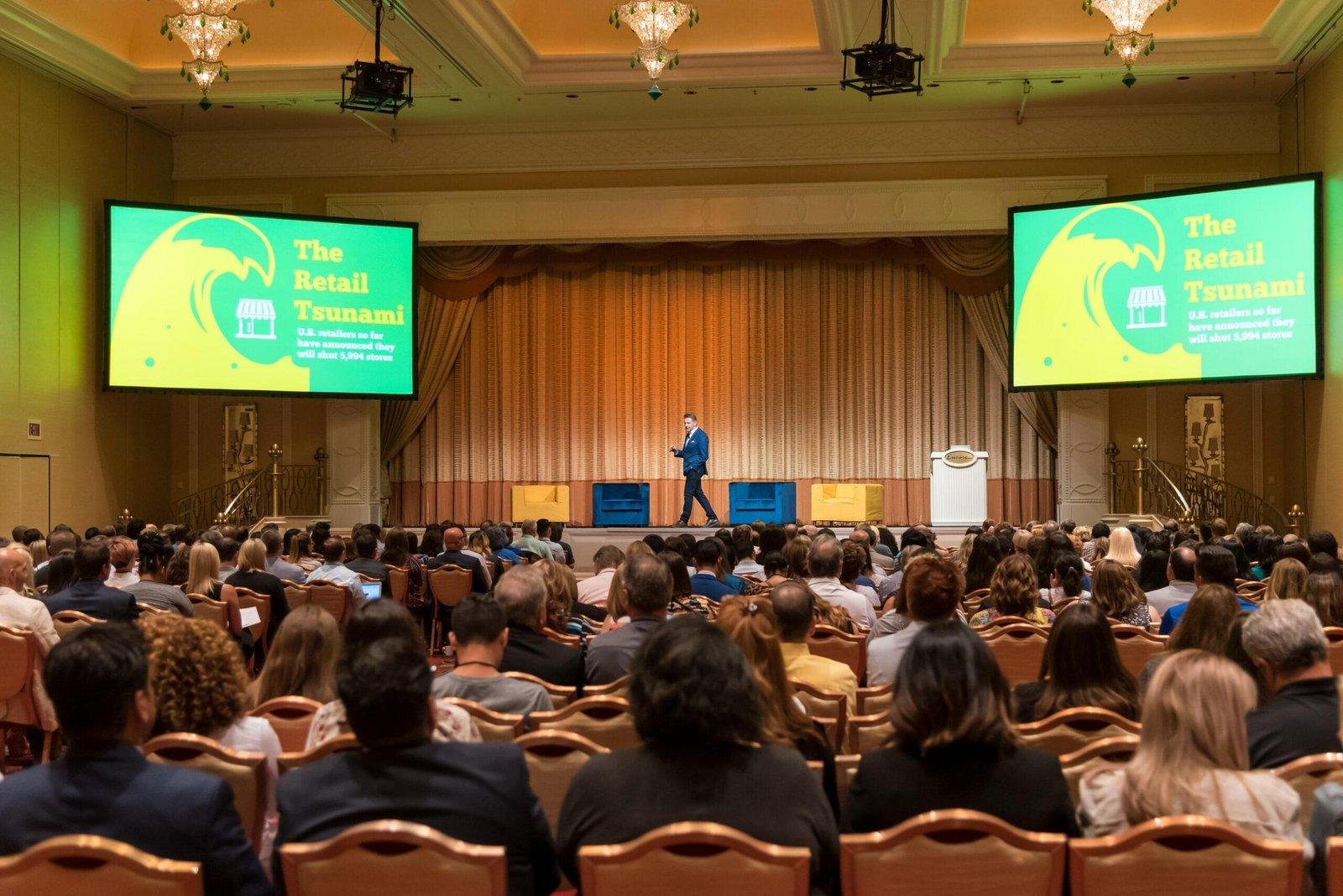
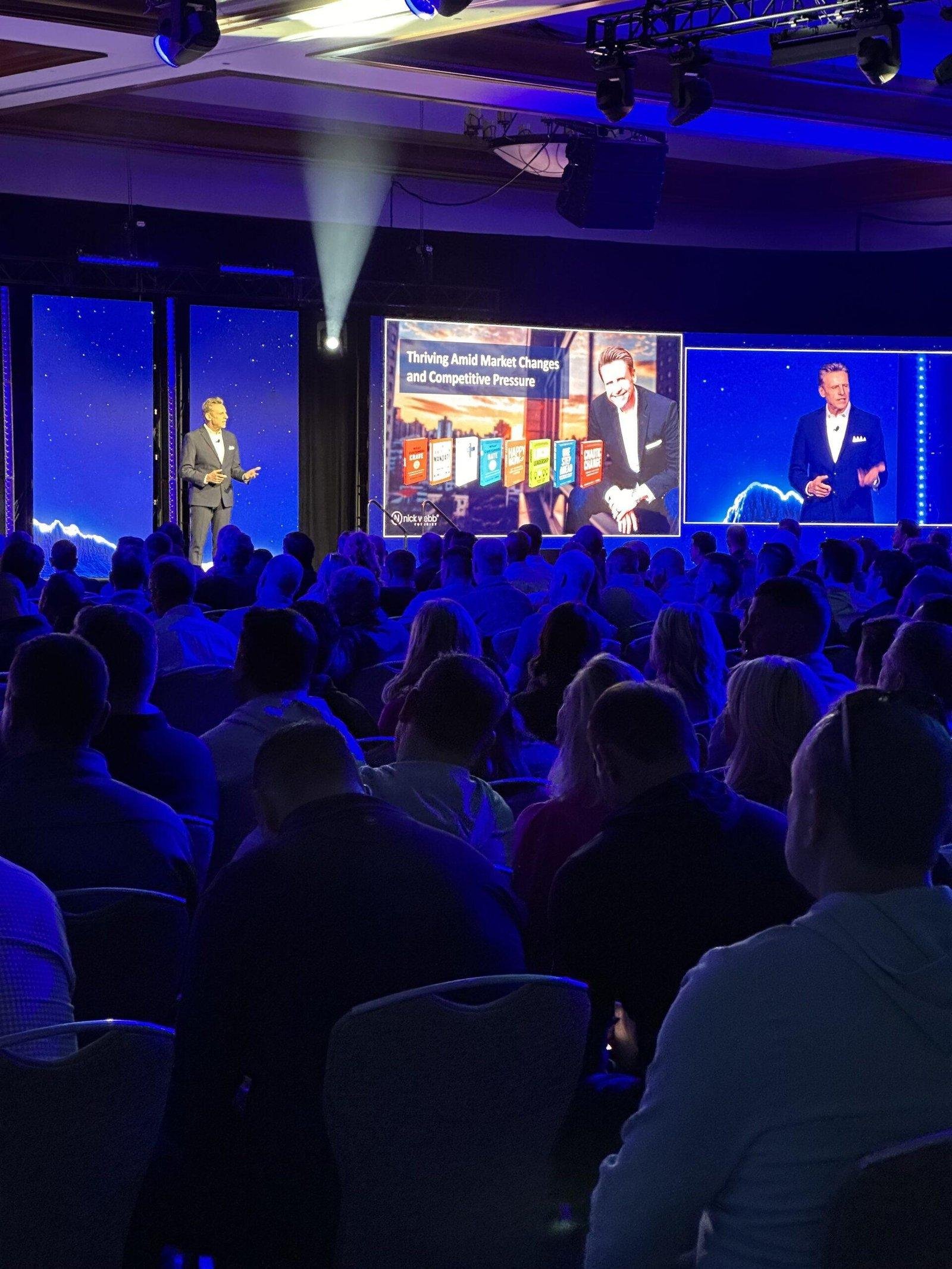
Selecting speakers who waste executive time is one of the fastest ways to damage an event’s reputation. The best meeting planners treat speaker selection as a strategic investment. They choose speakers who deliver high energy and entertainment value, but more importantly, they deliver practical takeaways that people talk about for months.
Great speakers create momentum. Poor speakers create regret. In a world where members question every expense, regret is dangerous.
A practical method is to create a speaker scorecard with three criteria. Relevance to the audience, actionable value, and novelty. Novelty means the content feels fresh and specific, not generic. If a session could be summarized by AI in a minute, it should not be on the main stage.
Design the event using journey mapping and member personification
Events should be designed using the same methods used in high-performance experience organizations. Journey mapping reveals where friction and disappointment occur. Personification helps you design for different attendee types, such as first-time attendees, executives, technical specialists, sponsors, and students.
A simple action is to map the event day from arrival to departure and identify the moments that matter most. Registration, first session, networking, meals, exhibit interactions, and closing are all moments where experience is either elevated or degraded. Improving those moments often has a larger impact than adding more sessions.
Build remarkable touch points beyond the stage
The stage is only one part of the event. The other touch points must also be intentional. That includes orientation, wayfinding, sponsor experiences, networking design, social experiences, and post-event follow-through.
A strong post-event experience is one of the most overlooked areas. Members should leave with a clear “next step” plan. They should receive curated content, connections, and resources that make the event feel like it continues after they return home. This supports retention and creates higher willingness to invest in future events and premium services.
What to do next
If you want your next event to feel modern and essential, start with outcomes, build a curriculum, select speakers who deliver actionable value, and map the event journey like a consumer brand would. Your event is not just a gathering. It is a major membership experience moment that drives loyalty and revenue.